Choosing a Warehouse conversion project without overpaying
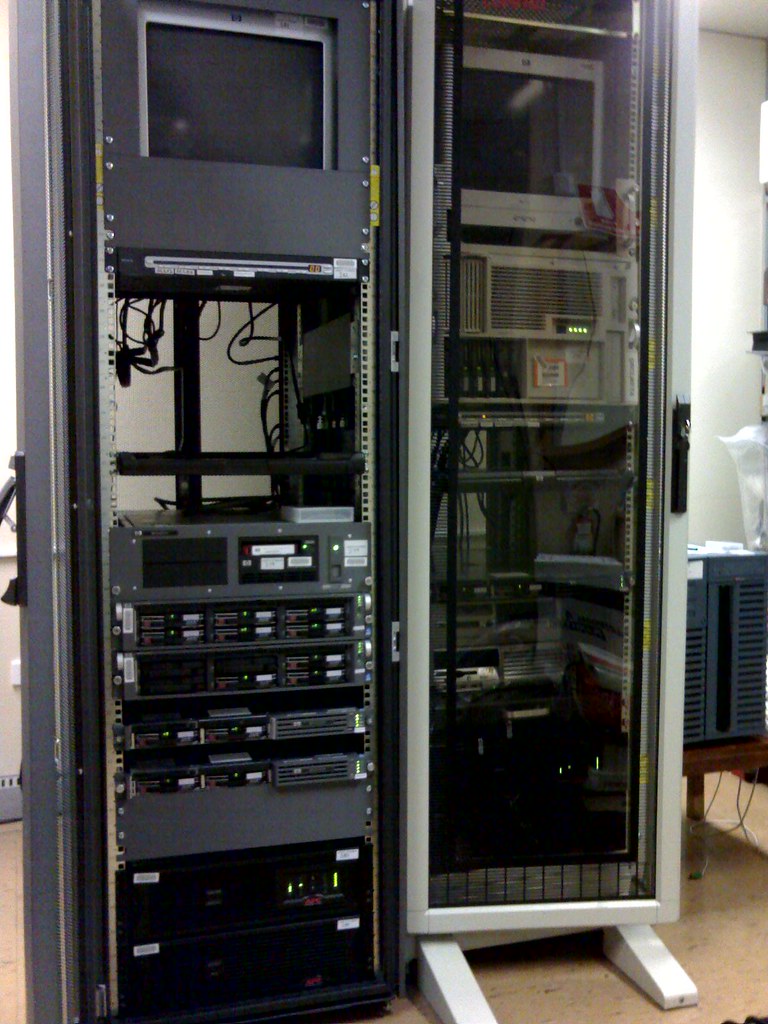
Photo: danc86 / Flickr · CC BY-NC-SA 2.0
Every operation eventually argues about its warehouse conversion project, and for good reason — it sits on the critical path between the watts coming in and the useful work going out.
What a warehouse conversion project actually does
At its core, a warehouse conversion project solves one job: space, density and deployment. Everything else — the dashboards, the integrations, the marketing — hangs off that single responsibility.
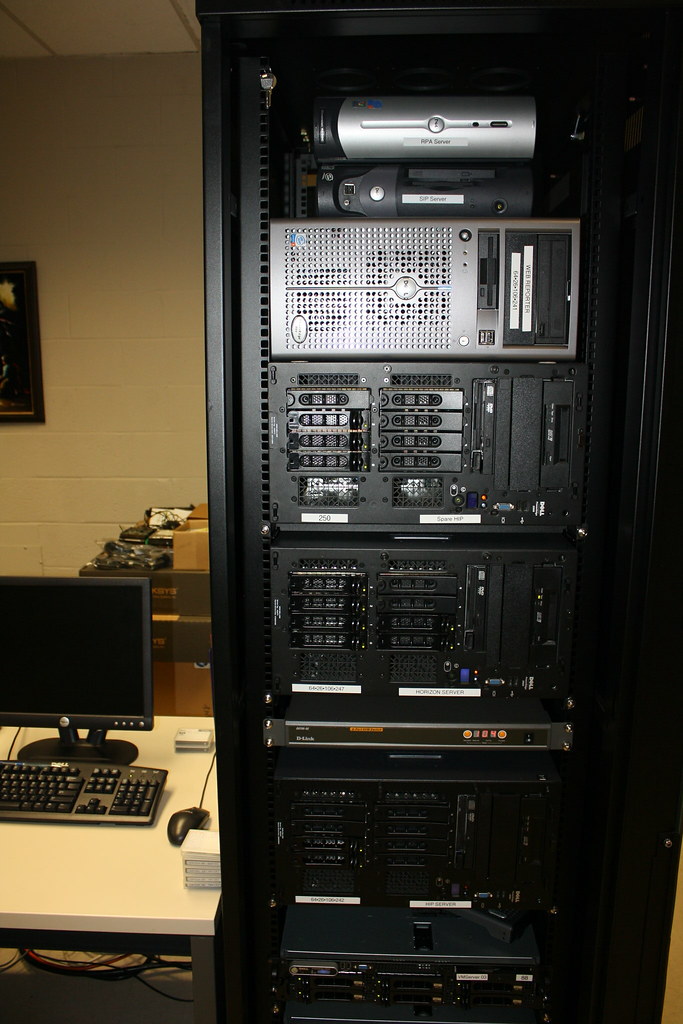
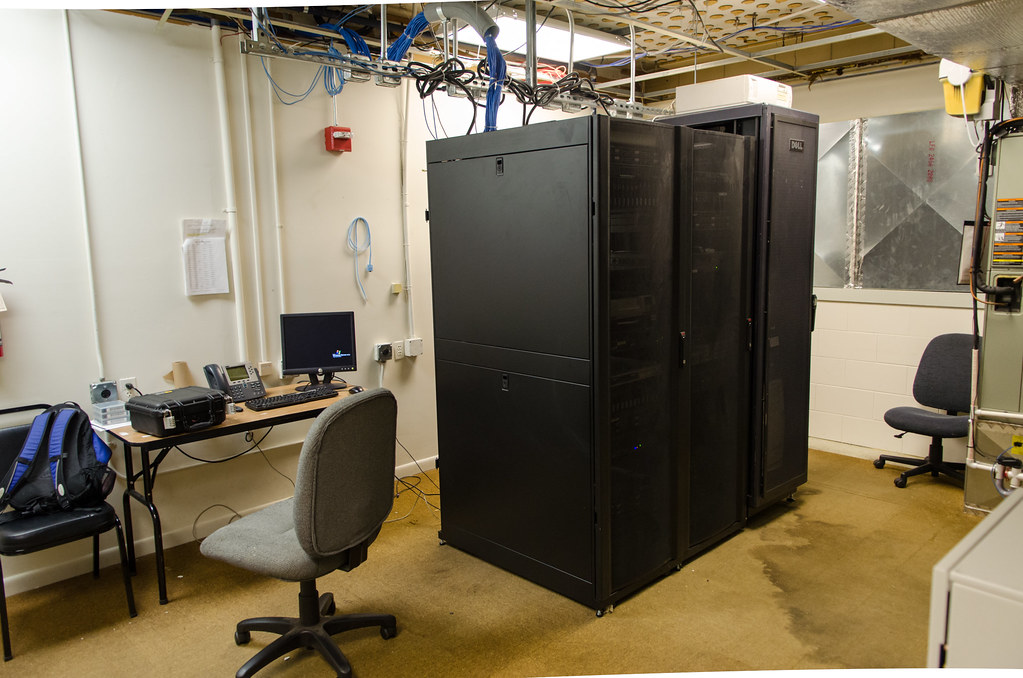
Floor space, weight and airflow add up fast; the wrong warehouse conversion project caps how many units you can run long before your power does.
What to look for
When you put a warehouse conversion project through its paces, weigh it against the things that bite in production rather than the ones that demo well:
- Rack density versus the airflow and service access you actually need
- Structural, fire and electrical code for the space you are converting
- How cleanly it scales from a handful of units to a full room
- Portability and lead time if the site or the power deal changes
- Total cost per slot once cooling, wiring and mounting are counted
Common mistakes
The usual trap is optimising for the happy path. A warehouse conversion project that looks great on the bench can fall apart the moment heat, dust and 24/7 load build up — which is exactly when it matters most. Test it under sustained load, in real ambient conditions, and on the messiest power you actually have.
The bottom line
The right warehouse conversion project fades into the background and lets you focus on uptime and efficiency. If you are fighting the gear, you have the wrong one.