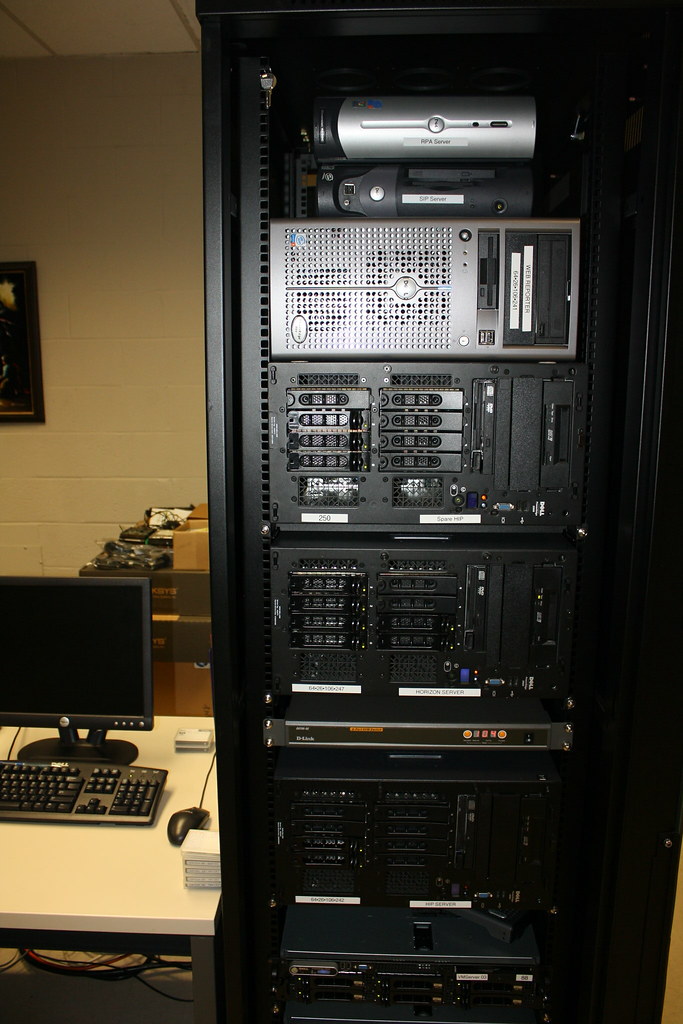
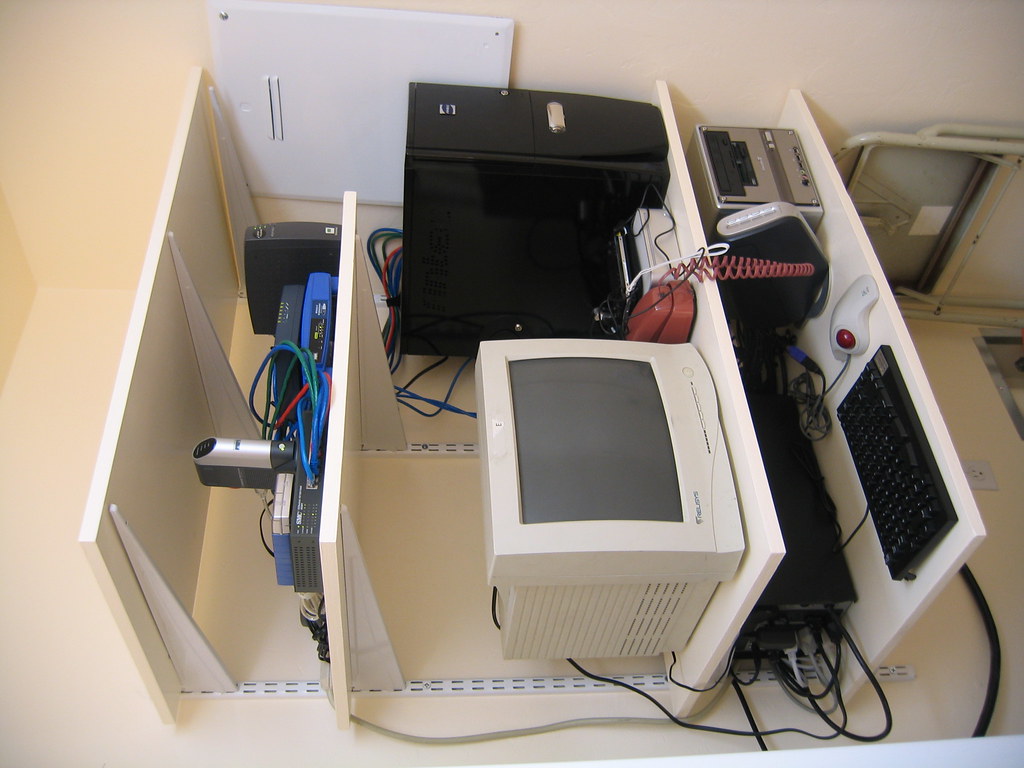
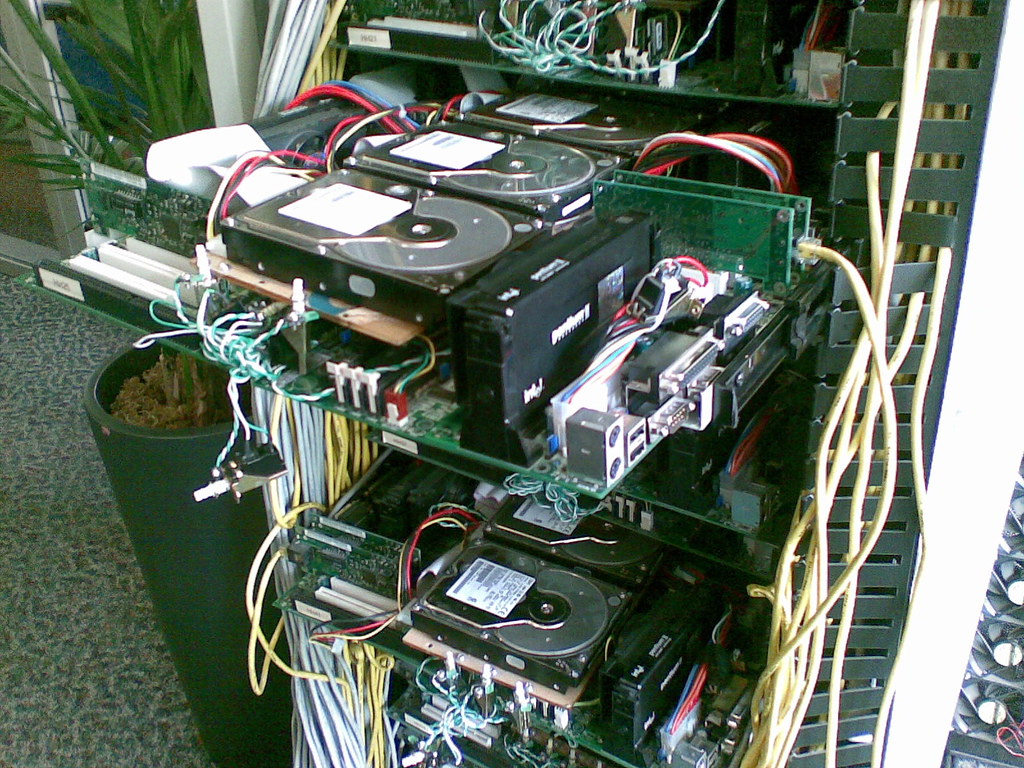
Inside the Mining chassis: what actually moves the needle
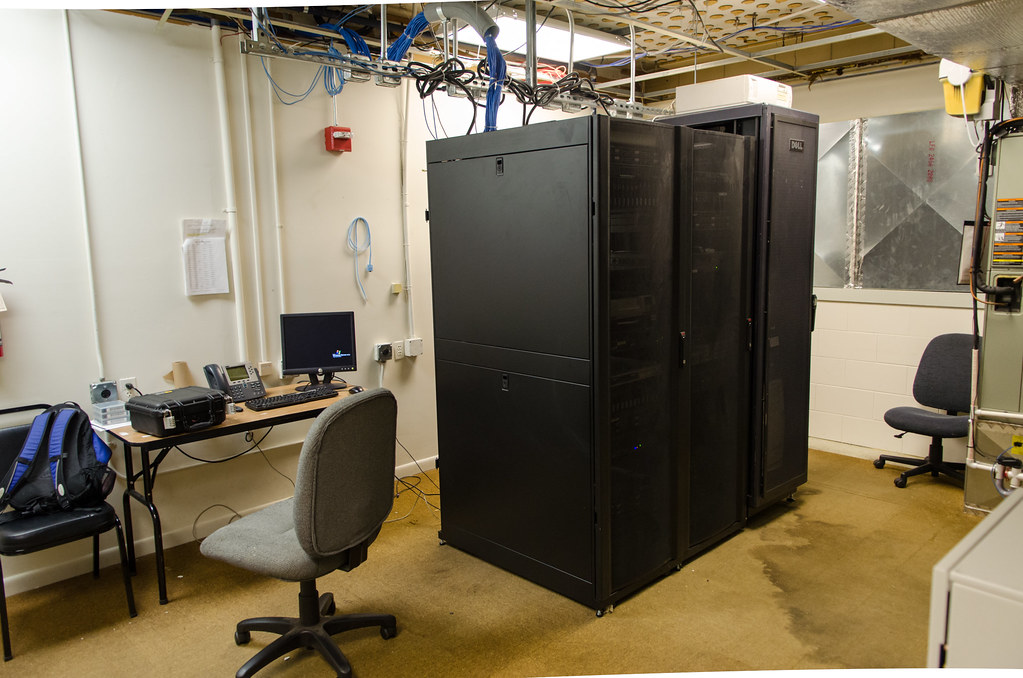
Photo: Bob Mical / Flickr · CC BY-NC 2.0
A mining chassis looks simple on a spec sheet and turns out to be anything but once it runs flat out, day and night.
What a mining chassis actually does
Strip away the branding and a mining chassis is really a tool for space, density and deployment. Judge it on how well it does that before anything else.
Floor space, weight and airflow add up fast; the wrong mining chassis caps how many units you can run long before your power does.
What to look for
When you put a mining chassis through its paces, weigh it against the things that bite in production rather than the ones that demo well:
- Rack density versus the airflow and service access you actually need
- Structural, fire and electrical code for the space you are converting
- How cleanly it scales from a handful of units to a full room
- Portability and lead time if the site or the power deal changes
- Total cost per slot once cooling, wiring and mounting are counted
Common mistakes
The usual trap is optimising for the happy path. A mining chassis that looks great on the bench can fall apart the moment heat, dust and 24/7 load build up — which is exactly when it matters most. Test it under sustained load, in real ambient conditions, and on the messiest power you actually have.
The bottom line
Pick the mining chassis you understand well enough to troubleshoot at 3 a.m. when an unit drops offline. Cleverness you cannot reason about is a liability, not an edge.