Small scale operation: the features that matter and the ones that don't
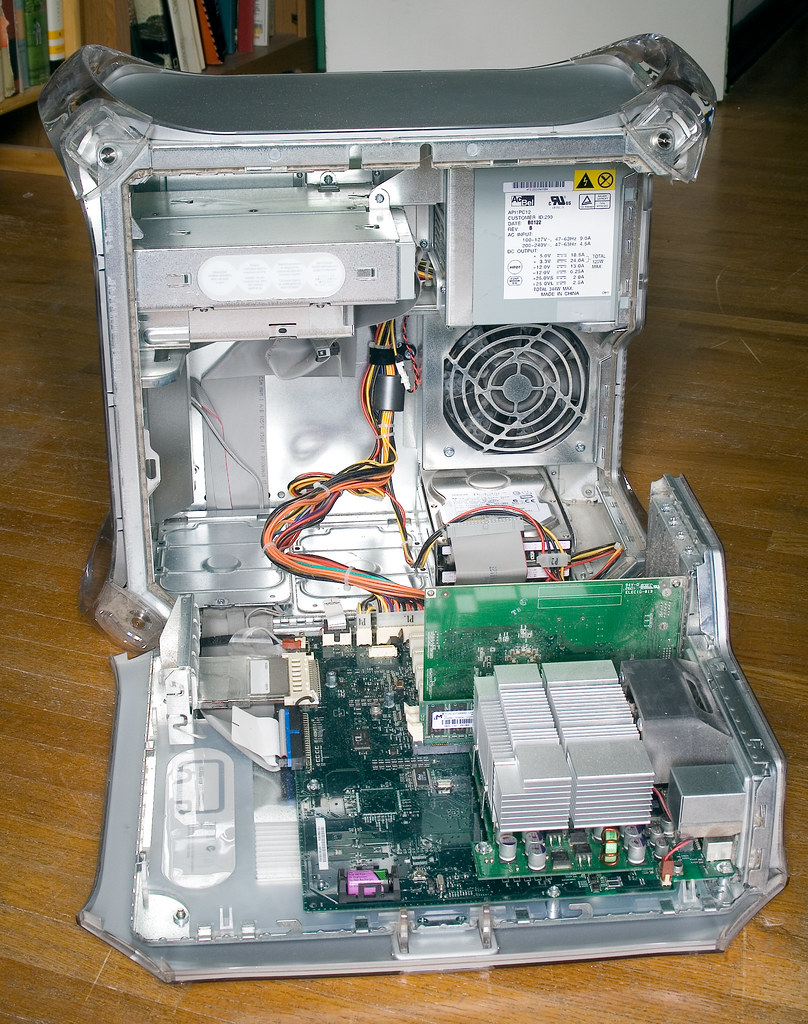
Photo: Nic's events / Flickr · CC BY-SA 2.0
Ask ten operators about the ideal small scale operation and you will get eleven answers. Here is the framework we use to cut through the noise.
What a small scale operation actually does
Strip away the branding and a small scale operation is really a tool for a first working setup. Judge it on how well it does that before anything else.
Starting out, a small scale operation is where most beginners overspend or under-cool; getting it right early saves a painful, expensive rebuild later.
What to look for
When you put a small scale operation through its paces, weigh it against the things that bite in production rather than the ones that demo well:
- Whether your existing power and breakers can actually handle it
- Heat and noise in a shared, lived-in space — not a dedicated room
- A budget that counts power and cooling, not just the upfront box
- How easy it is to monitor, restart and maintain as a beginner
- A clear upgrade path so a small start does not become a dead end
Common mistakes
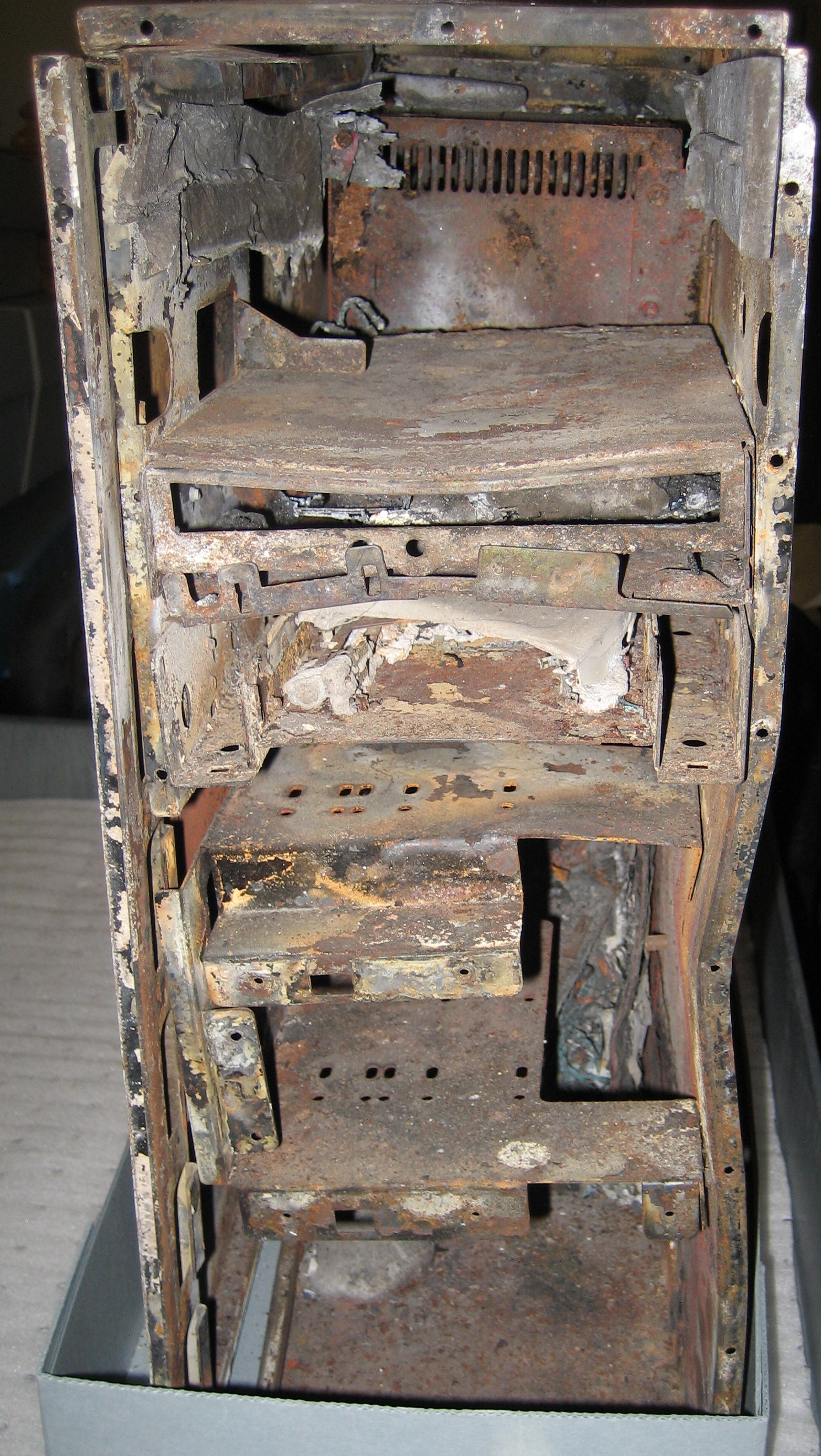
The usual trap is optimising for the happy path. A small scale operation that looks great on the bench can fall apart the moment heat, dust and 24/7 load build up — which is exactly when it matters most. Test it under sustained load, in real ambient conditions, and on the messiest power you actually have.
The bottom line
The right small scale operation fades into the background and lets you focus on uptime and efficiency. If you are fighting the gear, you have the wrong one.