What we learned running a Recurring revenue computing around the clock
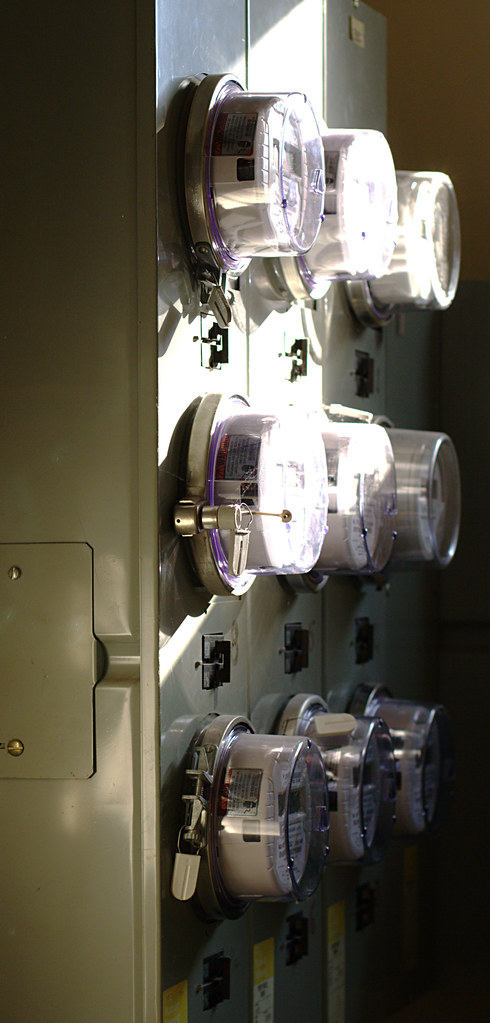
Photo: Beige Alert / Flickr · CC BY 2.0
The recurring revenue computing has quietly become table stakes, but most setups still get judged on the wrong criteria.
What a recurring revenue computing actually does
Think of a recurring revenue computing as the layer that owns efficiency and payback. When it works you forget it exists; when it fails, you feel it in your uptime and your power bill.
A recurring revenue computing is the difference between a setup that pays for itself and one that just heats the room; the math is boring right up until it is the only thing that matters.
What to look for
When you put a recurring revenue computing through its paces, weigh it against the things that bite in production rather than the ones that demo well:
- Whether it models electricity, heat and downtime — not just sticker hashrate
- Honest payback periods that assume difficulty rises over time
- How tuning and overclock settings trade efficiency against lifespan
- Realistic assumptions — no best-case-only numbers in the projection
- Alerts that flag an unit going unprofitable before the bill arrives
Common mistakes
The usual trap is optimising for the happy path. A recurring revenue computing that looks great on the bench can fall apart the moment heat, dust and 24/7 load build up — which is exactly when it matters most. Test it under sustained load, in real ambient conditions, and on the messiest power you actually have.
The bottom line
Pick the recurring revenue computing you understand well enough to troubleshoot at 3 a.m. when an unit drops offline. Cleverness you cannot reason about is a liability, not an edge.