The state of the Mining riser cable in 2026
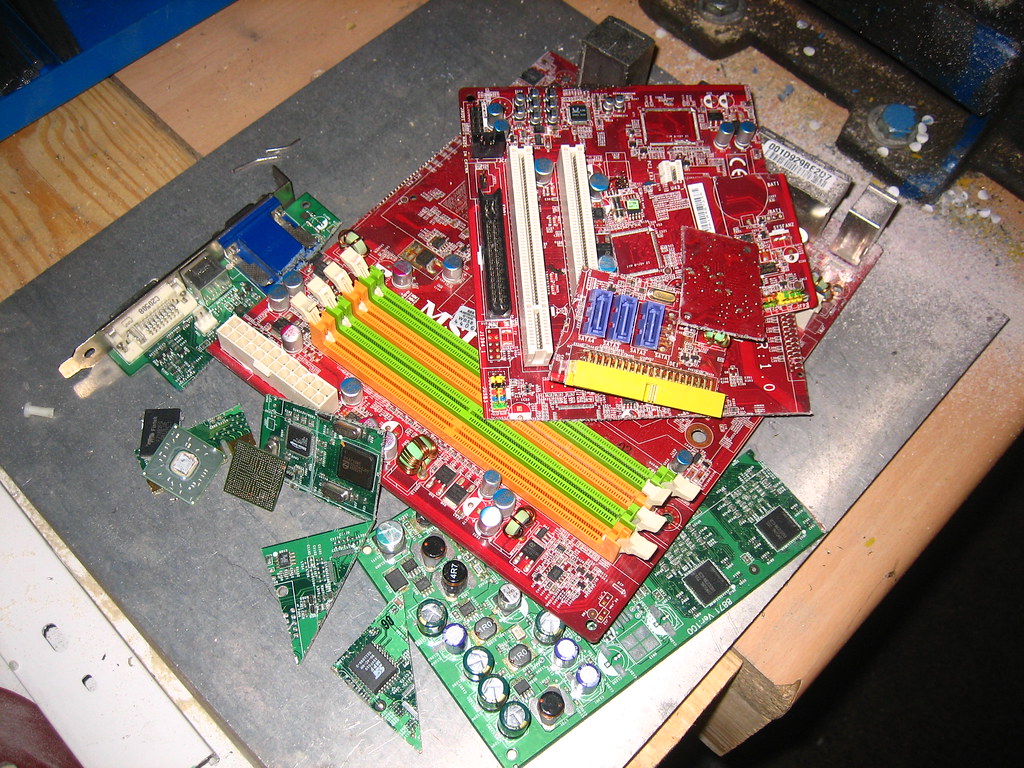
Photo: qubodup / Flickr · CC CC0 1.0
If you only upgrade one part of your setup this quarter, a properly chosen mining riser cable is a strong candidate.
What a mining riser cable actually does
Think of a mining riser cable as the layer that owns turning power into hashes. When it works you forget it exists; when it fails, you feel it in your uptime and your power bill.
When margins tighten and difficulty climbs, the gap between a good and a mediocre mining riser cable shows up directly in your hashrate per watt.
What to look for
When you put a mining riser cable through its paces, weigh it against the things that bite in production rather than the ones that demo well:
- Hashrate and stability under sustained, round-the-clock load — not bench numbers
- Power draw at the wall and real efficiency in joules per unit of work
- Build quality of connectors, boards and solder under constant heat cycling
- Firmware maturity, tuning headroom and how often updates actually ship
- Spare-part availability and how quickly a dead unit comes back online
Common mistakes
The usual trap is optimising for the happy path. A mining riser cable that looks great on the bench can fall apart the moment heat, dust and 24/7 load build up — which is exactly when it matters most. Test it under sustained load, in real ambient conditions, and on the messiest power you actually have.
The bottom line
Run any mining riser cable at small scale first. The spec sheet never mentions the failure modes — your own logs and your power meter will.