Mining equipment supplier: a practical guide for 2026
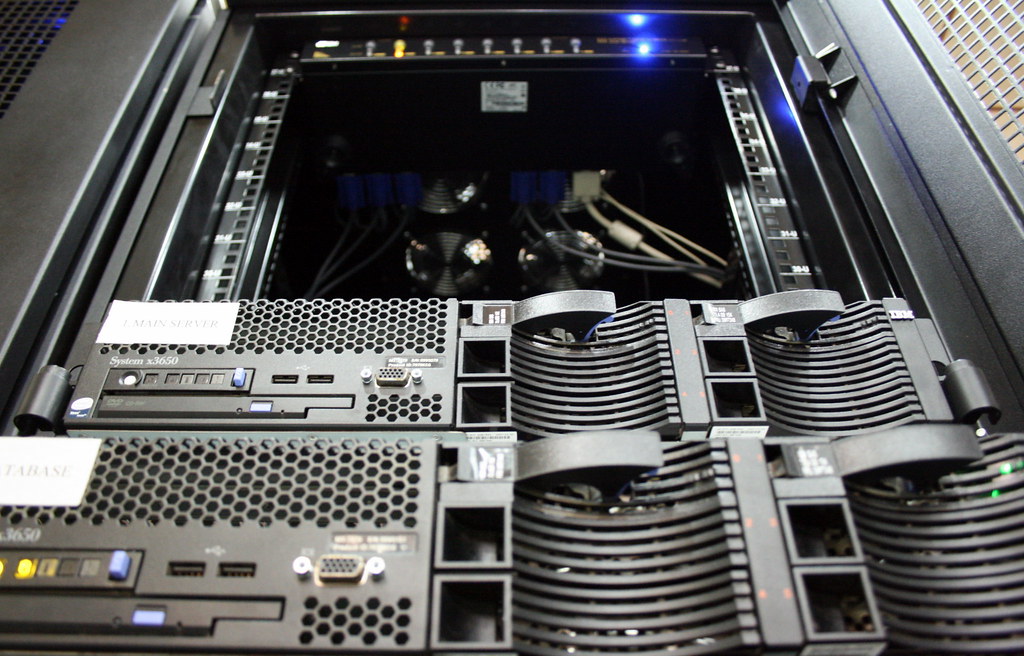
Photo: Haseeb ANSAR / Flickr · CC BY-NC 2.0
The mining equipment supplier has quietly become table stakes, but most setups still get judged on the wrong criteria.
What a mining equipment supplier actually does
Think of a mining equipment supplier as the layer that owns managed uptime. When it works you forget it exists; when it fails, you feel it in your uptime and your power bill.
When someone else runs the hardware, a mining equipment supplier is only as good as its worst week — the SLA, the response time and what happens when an unit dies.
What to look for
When you put a mining equipment supplier through its paces, weigh it against the things that bite in production rather than the ones that demo well:
- What the SLA actually guarantees on uptime, and the penalties if it slips
- Transparency on fees, power rates and the cut taken off the top
- Response time on dead units, repairs and RMA in practice
- Real monitoring and remote access, not an once-a-day status email
- Contract terms, lock-in and how cleanly you can walk away
Common mistakes
The usual trap is optimising for the happy path. A mining equipment supplier that looks great on the bench can fall apart the moment heat, dust and 24/7 load build up — which is exactly when it matters most. Test it under sustained load, in real ambient conditions, and on the messiest power you actually have.
The bottom line
There is no universally "best" mining equipment supplier — only the one that matches your space, your power budget and the scale you actually run. Start from your constraints, not the spec sheet.