Mining difficulty, explained for home and pro operators
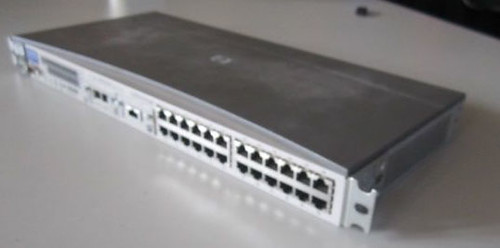
Every operation eventually argues about its mining difficulty, and for good reason — it sits on the critical path between the watts coming in and the useful work going out.
What a mining difficulty actually does
Strip away the branding and a mining difficulty is really a tool for verifying work on the network. Judge it on how well it does that before anything else.
On a public network a mining difficulty is judged by the protocol, not the brochure — a correct result counts and a wrong one is simply discarded.
What to look for
When you put a mining difficulty through its paces, weigh it against the things that bite in production rather than the ones that demo well:
- Whether the implementation follows the protocol spec exactly
- How it behaves under high difficulty and contested conditions
- Latency from finished work to an accepted, confirmed result
- Resilience to reorgs, stale work and orphaned effort
- Whether rewards and shares are accounted for transparently
Common mistakes
The usual trap is optimising for the happy path. A mining difficulty that looks great on the bench can fall apart the moment heat, dust and 24/7 load build up — which is exactly when it matters most. Test it under sustained load, in real ambient conditions, and on the messiest power you actually have.
The bottom line
There is no universally "best" mining difficulty — only the one that matches your space, your power budget and the scale you actually run. Start from your constraints, not the spec sheet.