What we learned running an Energy efficient mining around the clock
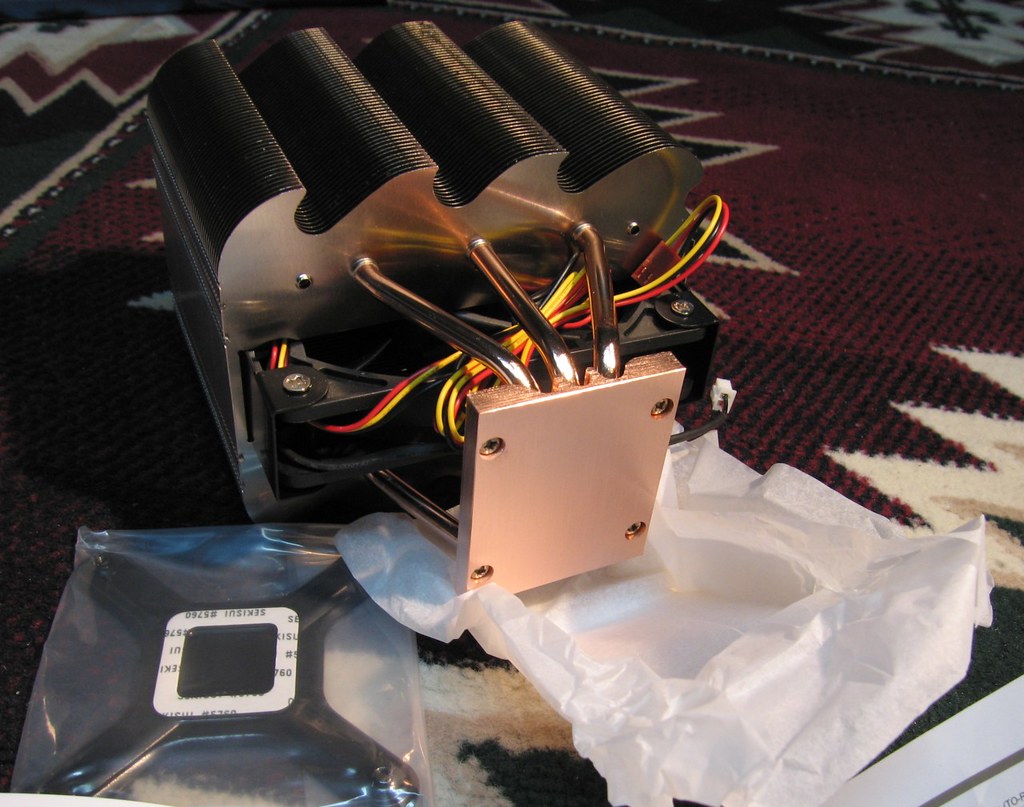
The energy efficient mining has quietly become table stakes, but most setups still get judged on the wrong criteria.
What an energy efficient mining actually does
At its core, an energy efficient mining solves one job: heat and electricity. Everything else — the dashboards, the integrations, the marketing — hangs off that single responsibility.
Heat and power are where most setups quietly bleed money; a weak energy efficient mining turns expensive watts into noise and shortens hardware life.
What to look for
When you put an energy efficient mining through its paces, weigh it against the things that bite in production rather than the ones that demo well:
- Thermal headroom at your worst-case ambient, not a cool test lab
- Real power factor and draw under full load, measured at the wall
- Noise and airflow you can actually live with in the space you have
- Dust, humidity and corrosion tolerance over months of uptime
- Whether waste heat is simply dumped or recovered into something useful
Common mistakes
The usual trap is optimising for the happy path. An energy efficient mining that looks great on the bench can fall apart the moment heat, dust and 24/7 load build up — which is exactly when it matters most. Test it under sustained load, in real ambient conditions, and on the messiest power you actually have.
The bottom line
Pick the energy efficient mining you understand well enough to troubleshoot at 3 a.m. when an unit drops offline. Cleverness you cannot reason about is a liability, not an edge.